Sách gia công bìa mềm
Thể loại:Computers - Programming
Năm:2003
In lần thứ:3
Ngôn ngữ:english
Trang:244
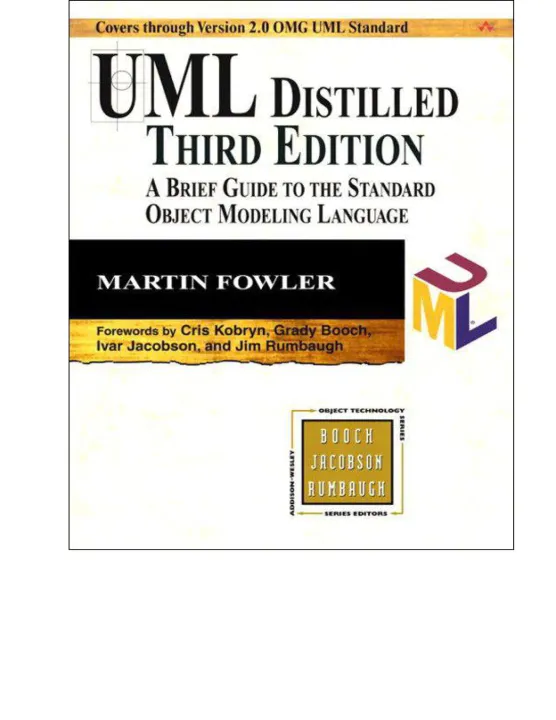
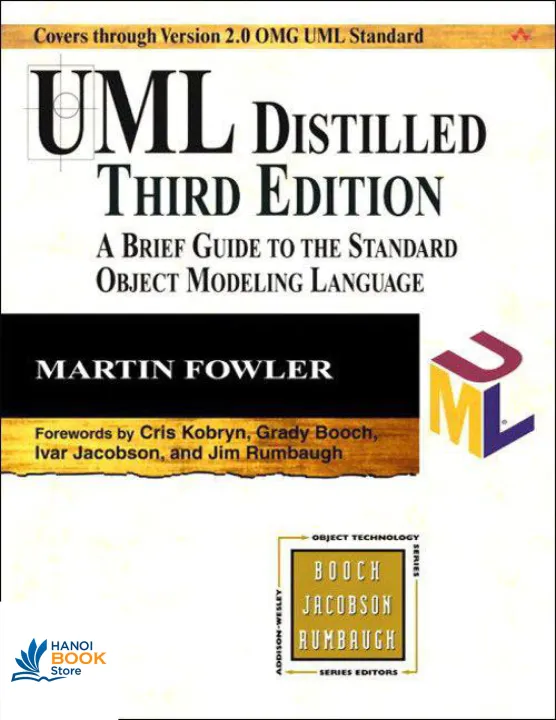
Would you like to understand the most important elements of Class
diagrams? (See page 35.) Do you want to see the new UML 2.0 Interaction
frame notation for adding control flow to sequence diagrams (see page
58) and the unofficial notation that many prefer? (See page 60.) Do you
want to know what changes have been made to all versions of the UML?
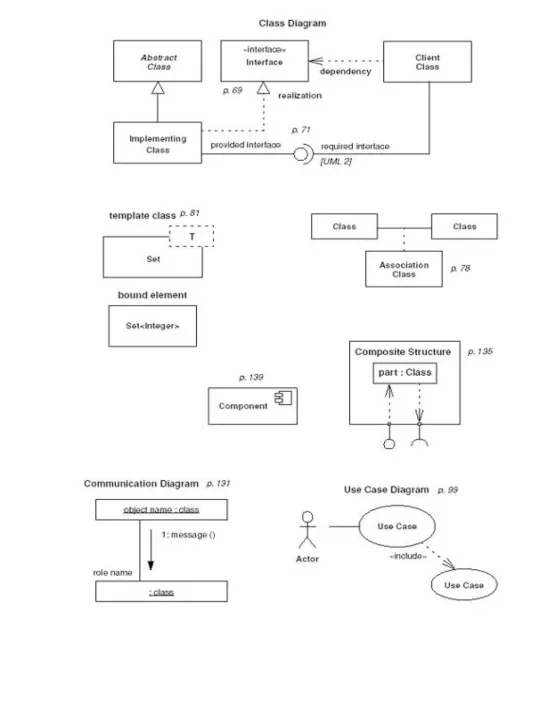
(See page 151.) Do you want a quick reference to the most useful parts
of the UML notation? (See the inside covers.) Do you want to find out
what diagram types were added to the UML 2.0 without wading through the
spec? More than 300,000 developers have benefited from past editions of
UML Distilled. This third edition is the best resource for quick,
no-nonsense insights into understanding and using UML 2.0 and prior
versions of the UML. Some readers will want to quickly get up to speed
with the UML 2.0 and learn the essentials of the UML. Others will use
this book as a handy, quick reference to the most common parts of the
UML. The author delivers on both of these promises in a short, concise,
and focused presentation.This book describes all the major UML diagram
types, what they're used for, and the basic notation involved in
creating and deciphering them. These diagrams include class, sequence,
object, package, deployment, use case, state machine, activity,
communication, composite structure, component, interaction overview, and
timing diagrams. The examples are clear and the explanations cut to the
fundamental design logic. If you are like most developers, you don't
have time to keep up with all the new innovations in software
engineering. This new edition of Fowler's classic work gets you
acquainted with some of the best thinking about efficient
object-oriented software design using the UML - in a convenient format
that will be essential to anyone who designs software professionally.