Sách keo gáy, Bìa mềm
bấm vào để đọc thêm
Thể loại:Computers
Năm:2021
Nhà xuát bản:Packt Publishing Ltd
Ngôn ngữ:english
Trang:384 / 385
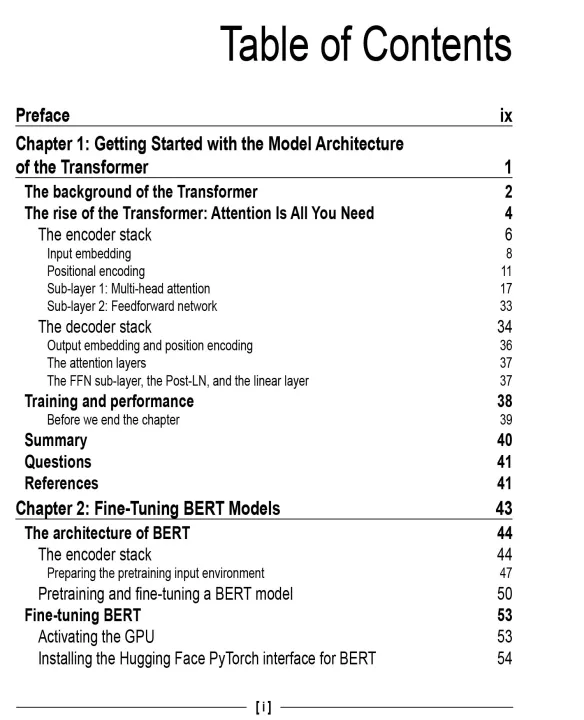
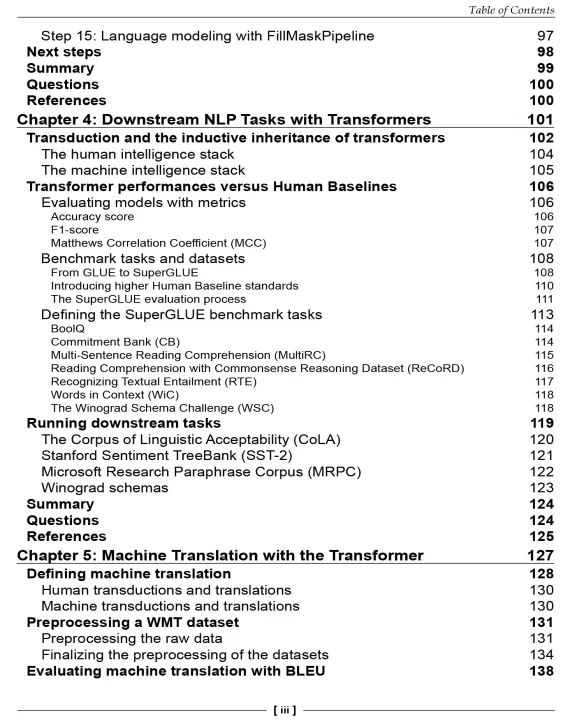
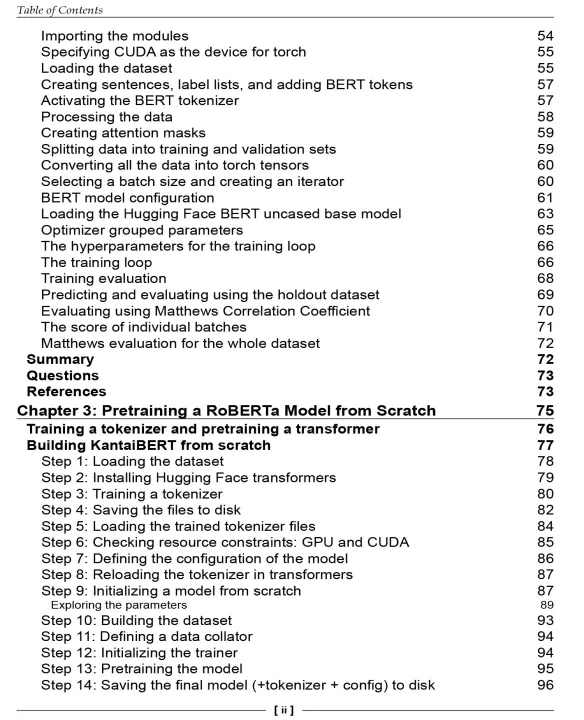
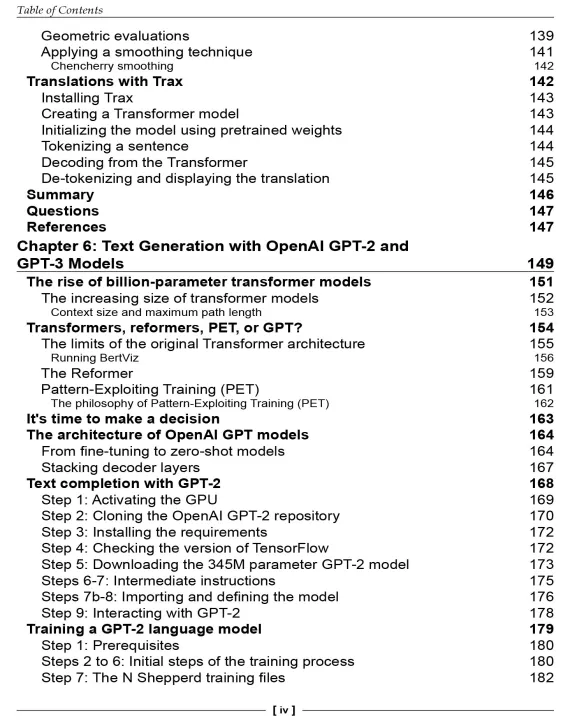
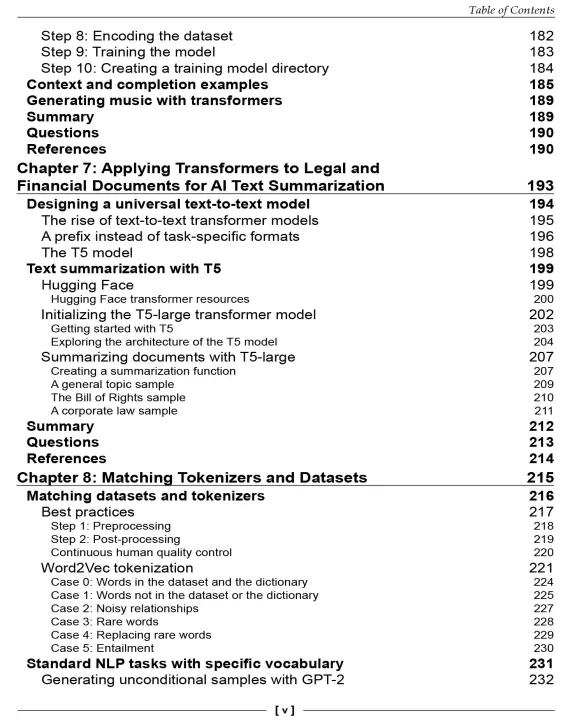
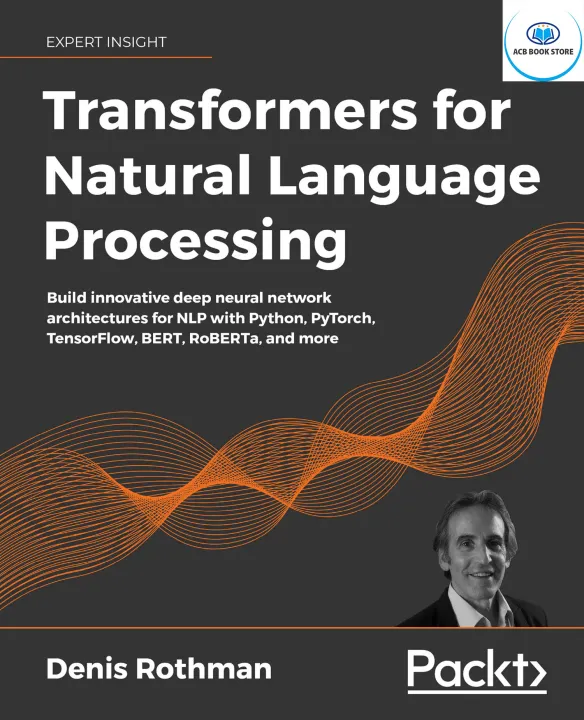
Become an AI language understanding expert by mastering the quantum leap of Transformer neural network models
Key Features
Build
and implement state-of-the-art language models, such as the original
Transformer, BERT, T5, and GPT-2, using concepts that outperform
classical deep learning models
Go through hands-on applications in Python using Google Colaboratory Notebooks with nothing to install on a local machine
Learn training tips and alternative language understanding methods to illustrate important key concepts
Book Description
The
transformer architecture has proved to be revolutionary in
outperforming the classical RNN and CNN models in use today. With an
apply-as-you-learn approach, Transformers for Natural Language
Processing investigates in vast detail the deep learning for machine
translations, speech-to-text, text-to-speech, language modeling,
question answering, and many more NLP domains with transformers.
The
book takes you through NLP with Python and examines various eminent
models and datasets within the transformer architecture created by
pioneers such as Google, Facebook, Microsoft, OpenAI, and Hugging Face.
The
book trains you in three stages. The first stage introduces you to
transformer architectures, starting with the original transformer,
before moving on to RoBERTa, BERT, and DistilBERT models. You will
discover training methods for smaller transformers that can outperform
GPT-3 in some cases. In the second stage, you will apply transformers
for Natural Language Understanding (NLU) and Natural Language Generation
(NLG). Finally, the third stage will help you grasp advanced language
understanding techniques such as optimizing social network datasets and
fake news identification.
By the end of this NLP book, you will
understand transformers from a cognitive science perspective and be
proficient in applying pretrained transformer models by tech giants to
various datasets.
What you will learn
Use the latest pretrained transformer models
Grasp the workings of the original Transformer, GPT-2, BERT, T5, and other transformer models
Create language understanding Python programs using concepts that outperform classical deep learning models
Use a variety of NLP platforms, including Hugging Face, Trax, and AllenNLP
Apply
Python, TensorFlow, and Keras programs to sentiment analysis, text
summarization, speech recognition, machine translations, and more
Measure the productivity of key transformers to define their scope, potential, and limits in production
Who this book is for
Since
the book does not teach basic programming, you must be familiar with
neural networks, Python, PyTorch, and TensorFlow in order to learn their
implementation with Transformers.
Readers who can benefit the
most from this book include deep learning & NLP practitioners, data
analysts and data scientists who want an introduction to AI language
understanding to process the increasing amounts of language-driven
functions.