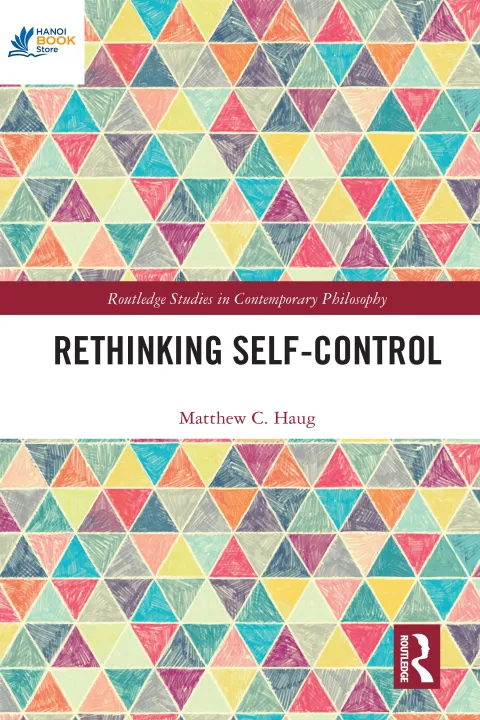
Sách keo gáy, bìa mềm
Research on self-control in both philosophy and
psychology is thriving. Yet, despite a wealth of recent philosophical
work on the exercise of self-control, there has been surprisingly little
empirically informed work in philosophy on self-control as a
psychological trait. This book aims to fill this gap.
There is
abundant evidence that self-control is beneficial both to those who have
it and to the societies in which they live. This book shows that the
neo-Aristotelian framework for understanding self-control-related
traits, which has dominated both philosophy and the sciences, is
psychologically unrealistic and should be replaced. The traditional
conceptions of temperance and continence need to be revised so that they
reflect actual human capacities. The author argues for an indirect
harmony hypothesis, which claims that high trait self-control consists
in having an excellent ability to use indirect strategies to achieve
motivational harmony that would not otherwise be possible. He fruitfully
combines work from ancient Greek philosophy, contemporary virtue
ethics, philosophy of action, moral psychology, social psychology, and
cognitive neuropsychology to develop a novel hypothesis about what
constitutes human excellence with respect to self-control.
Rethinking Self-Control
is an essential resource for philosophers and psychologists interested
in virtue ethics, moral psychology, philosophy of mind, philosophy of
action, and ancient philosophy.
Categories:Education Studies & Teaching - Philosophy of Education
Content Type:Books
Year:2024
Edition:First Edition
Language:english
Pages:206