Sach gia cong bia mem
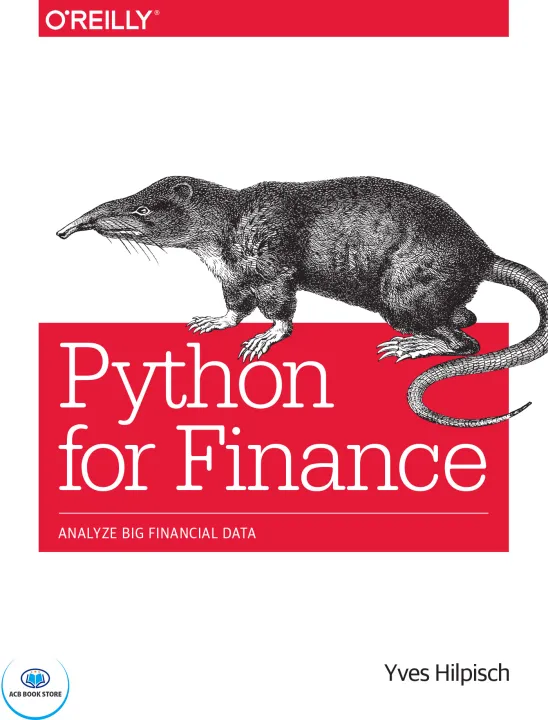
The financial industry has adopted Python at a
tremendous rate recently, with some of the largest investment banks and
hedge funds using it to build core trading and risk management systems.
This hands-on guide helps both developers and quantitative analysts get
started with Python, and guides you through the most important aspects
of using Python for quantitative finance.
Using practical examples
through the book, author Yves Hilpisch also shows you how to develop a
full-fledged framework for Monte Carlo simulation-based derivatives and
risk analytics, based on a large, realistic case study. Much of the book
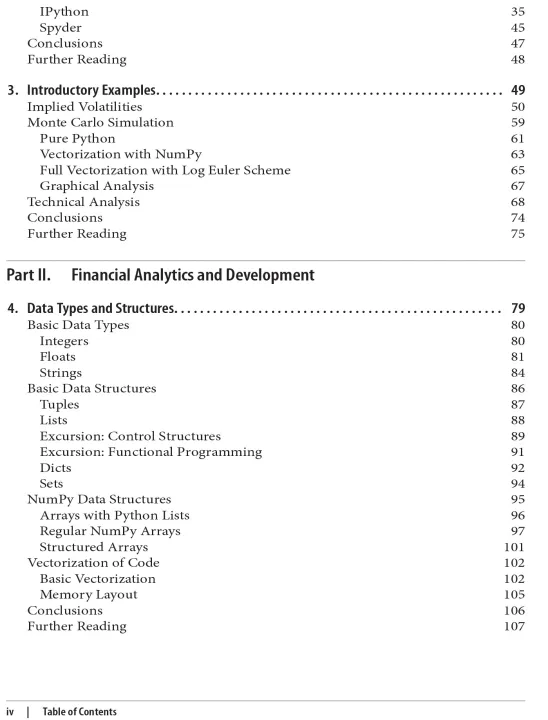
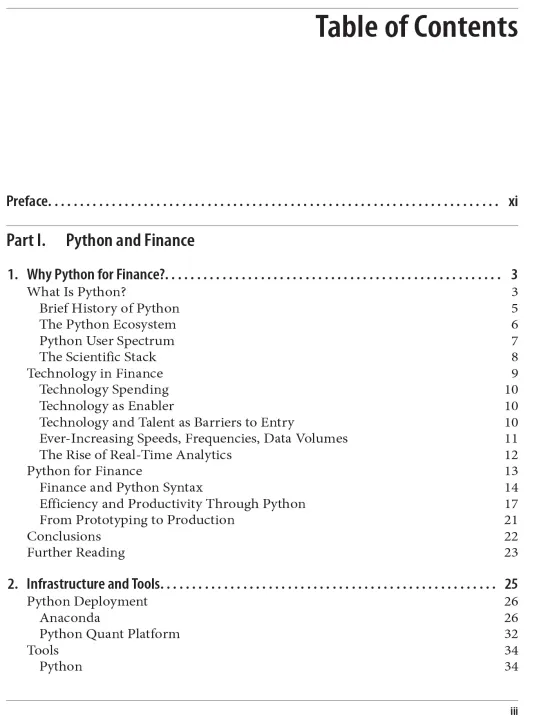
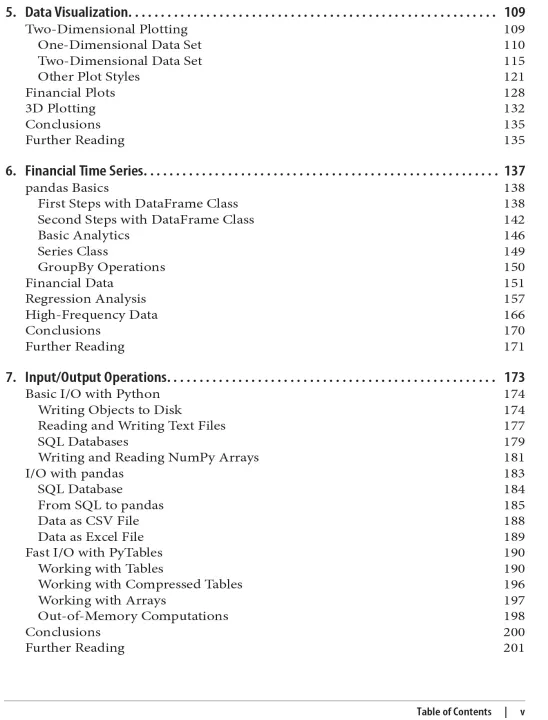
uses interactive IPython Notebooks, with topics that include:
Fundamentals:
Python data structures, NumPy array handling, time series analysis with
pandas, visualization with matplotlib, high performance I/O operations
with PyTables, date/time information handling, and selected best
practices
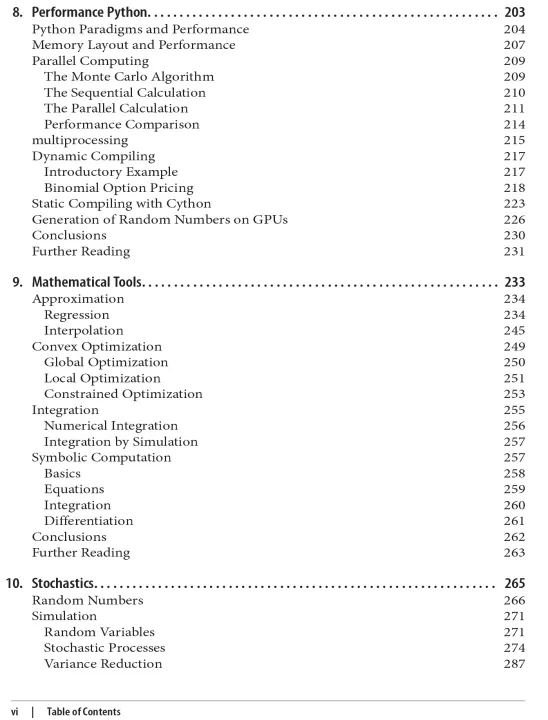
Financial topics: mathematical techniques with
NumPy, SciPy and SymPy such as regression and optimization; stochastics
for Monte Carlo simulation, Value-at-Risk, and Credit-Value-at-Risk
calculations; statistics for normality tests, mean-variance portfolio
optimization, principal component analysis (PCA), and Bayesian
regression
Special topics: performance Python for
financial algorithms, such as vectorization and parallelization,
integrating Python with Excel, and building financial applications based
on Web technologies
Thể loại:Computers - Databases
Năm:2014
In lần thứ:1
Nhà xuát bản:O'Reilly Media
Ngôn ngữ:english
Trang:606