Sách keo gáy, Bìa mềm
Thể loại:Computers
Năm:2017
In lần thứ:Second edition
Ngôn ngữ:english
Trang:478 / 468
Key Features
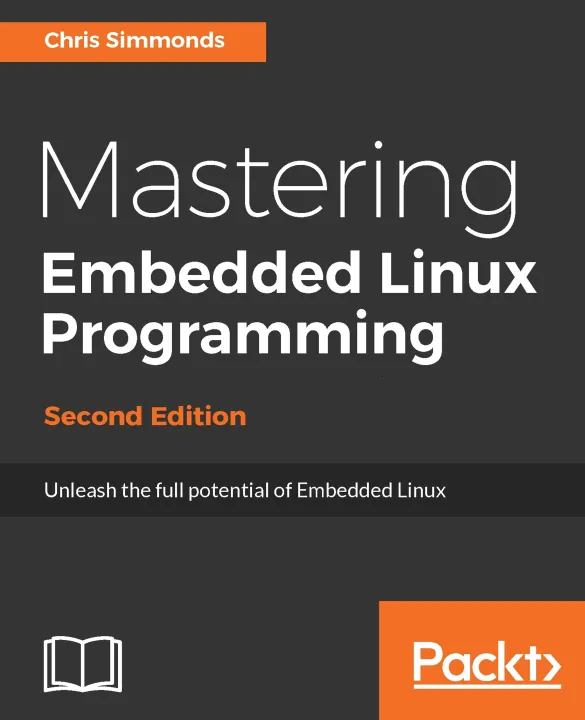
Discover how to build and configure reliable embedded Linux devices
This book has been updated to include Linux 4.9 and Yocto Project 2.2 (Morty)
This comprehensive guide covers the remote update of devices in the field and power management
Book Description
Embedded
Linux runs many of the devices we use every day, from smart TVs to WiFi
routers, test equipment to industrial controllers - all of them have
Linux at their heart. Linux is a core technology in the implementation
of the inter-connected world of the Internet of Things.
The
comprehensive guide shows you the technologies and techniques required
to build Linux into embedded systems. You will begin by learning about
the fundamental elements that underpin all embedded Linux projects: the
toolchain, the bootloader, the kernel, and the root filesystem. You'll
see how to create each of these elements from scratch, and how to
automate the process using Buildroot and the Yocto Project.
Moving
on, you'll find out how to implement an effective storage strategy for
flash memory chips, and how to install updates to the device remotely
once it is deployed. You'll also get to know the key aspects of writing
code for embedded Linux, such as how to access hardware from
applications, the implications of writing multi-threaded code, and
techniques to manage memory in an efficient way. The final chapters show
you how to debug your code, both in applications and in the Linux
kernel, and how to profile the system so that you can look out for
performance bottlenecks.
By the end of the book, you will have a complete overview of the steps required to create a successful embedded Linux system.
What you will learn
Evaluate the Board Support Packages offered by most manufacturers of a system on chip or embedded module
Use Buildroot and the Yocto Project to create embedded Linux systems quickly and efficiently
Update IoT devices in the field without compromising security
Reduce the power budget of devices to make batteries last longer
Interact with the hardware without having to write kernel device drivers
Debug
devices remotely using GDB, and see how to measure the performance of
the systems using powerful tools such as perk, ftrace, and valgrind
Find out how to configure Linux as a real-time operating system
Table of Contents
Starting Out
Learning About Toolchains
All About Bootloaders
Configuring and Building the Kernel
Building a Root Filesystem
Selecting a Build System
Creating a Storage Strategy
Updating Software in the Field
Interfacing with Device Drivers
starting Up - The Init Program
Managing Power
Learning About Processes and Threads
Managing Memory
Debugging with GDB
Profiling and Tracing
Real-Time Programming