Sách keo gáy, bìa mềm
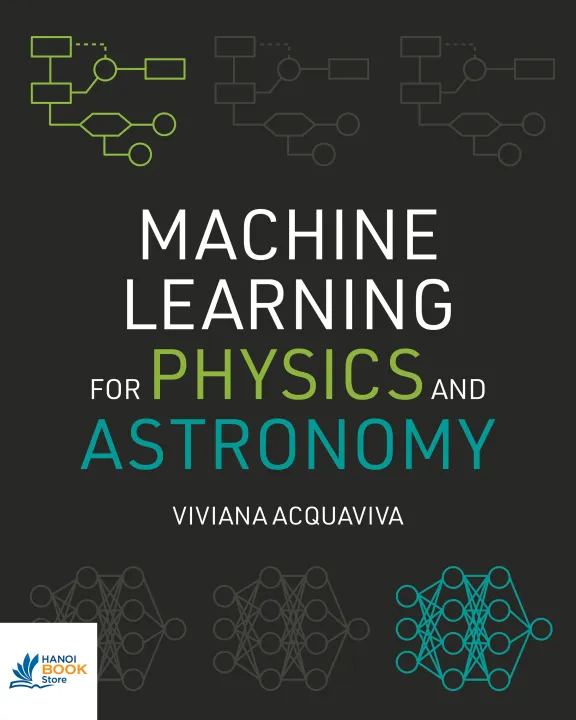
A hands-on introduction to machine learning and its
applications to the physical sciences As the size and complexity of data
continue to grow exponentially across the physical sciences, machine
learning is helping scientists to sift through and analyze this
information while driving breathtaking advances in quantum physics,
astronomy, cosmology, and beyond. This incisive textbook covers the
basics of building, diagnosing, optimizing, and deploying machine
learning methods to solve research problems in physics and astronomy,
with an emphasis on critical thinking and the scientific method. Using a
hands-on approach to learning, Machine Learning for Physics and
Astronomy draws on real-world, publicly available data as well as
examples taken directly from the frontiers of research, from identifying
galaxy morphology from images to identifying the signature of standard
model particles in simulations at the Large Hadron Collider. Introduces
readers to best practices in data-driven problem-solving, from
preliminary data exploration and cleaning to selecting the best method
for a given task Each chapter is accompanied by Jupyter Notebook
worksheets in Python that enable students to explore key concepts
Includes a wealth of review questions and quizzes Ideal for advanced
undergraduate and early graduate students in STEM disciplines such as
physics, computer science, engineering, and applied mathematics
Accessible to self-learners with a basic knowledge of linear algebra and
calculus Slides and assessment questions (available only to
instructors)
Categories:Computers - Programming
Year:2023
Language:english
Pages:281