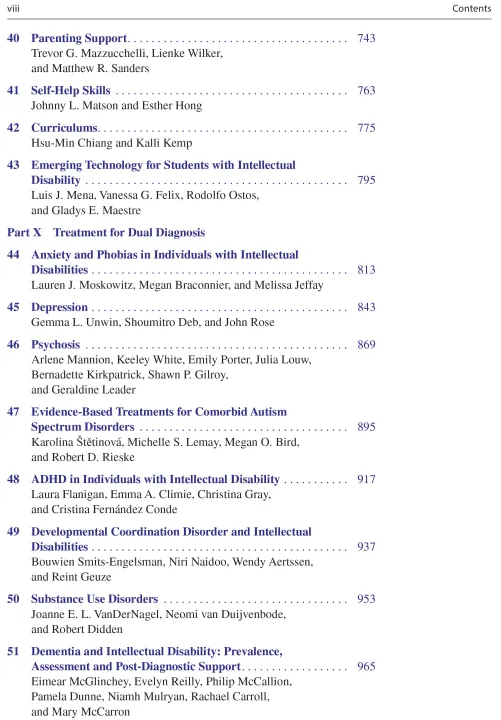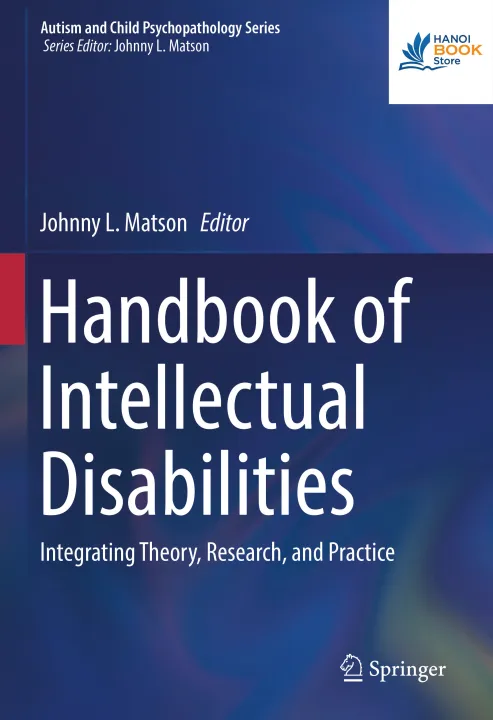
Sách Handbook of Intellectual Disabilities Integrating Theory, Research, and Practice (Sách keo gáy, bìa mềm)
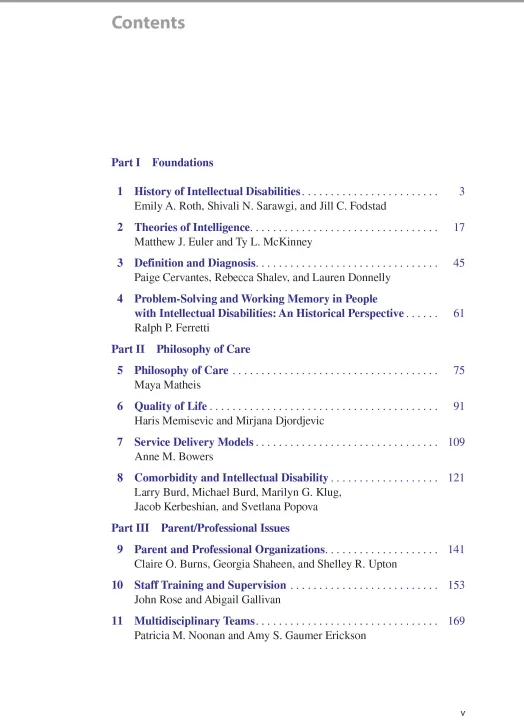
This handbook offers a comprehensive review of
intellectual disabilities (ID). It examines historical perspectives and
foundational principles in the field. The handbook addresses philosophy
of care for individuals with ID, as well as parent and professional
issues and organizations, staffing, and working on multidisciplinary
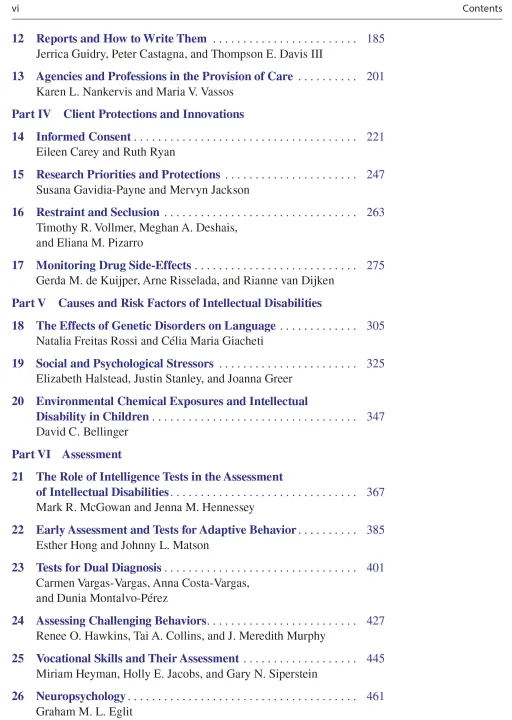
teams. Chapters explore issues of client protection, risk factors of ID,
basic research issues, and legal concerns. In addition, chapters
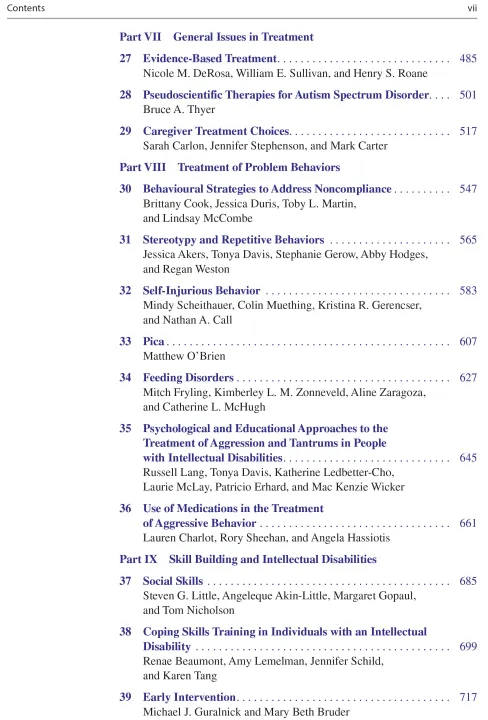
include information on evidence-based assessments and innovative
treatments to address a variety of behaviors associated with ID. The
handbook provides an in-depth analysis of comorbid physical disorders,
such as cerebral palsy, epilepsy and seizures, and developmental
coordination disorders (DCD), in relation to ID.
Inside:
✓ Informed consent and the enablement of persons with ID.
✓ The responsible use of restraint and seclusion as a protective measure.
✓ Vocational training and job preparation programs that assist individuals with ID.
✓ Psychological and educational approaches to the treatment of aggression and tantrums.
✓ Emerging technologies that support learning for students with ID.
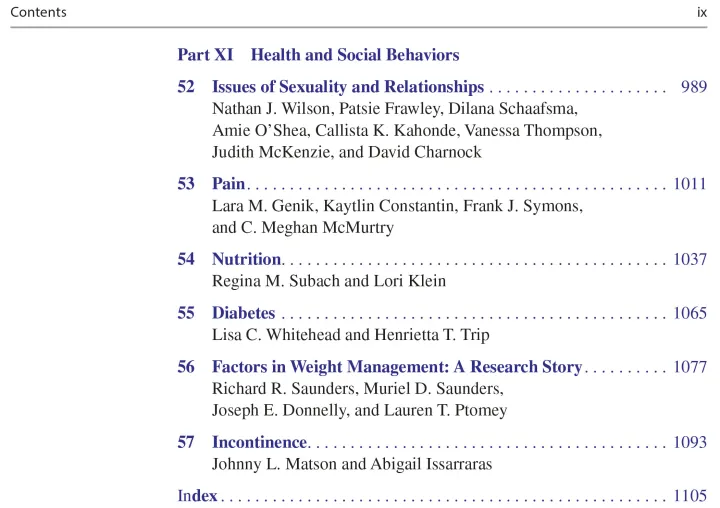
✓ Key sexuality and relationship issues that are faced by individuals with ID.
✓ Effective approaches to weight management for individuals with intellectual and developmental disabilities.
The Handbook of Intellectual Disabilities
is an essential reference for researchers, graduate students,
clinicians and related therapists and professionals in clinical child
and school psychology, pediatrics, social work, developmental
psychology, behavioral therapy/rehabilitation, child and adolescent
psychiatry, and special education.
Categories:Psychology - Developmental Psychology
Year:2019
Edition:1st
Language:english
Pages:1133