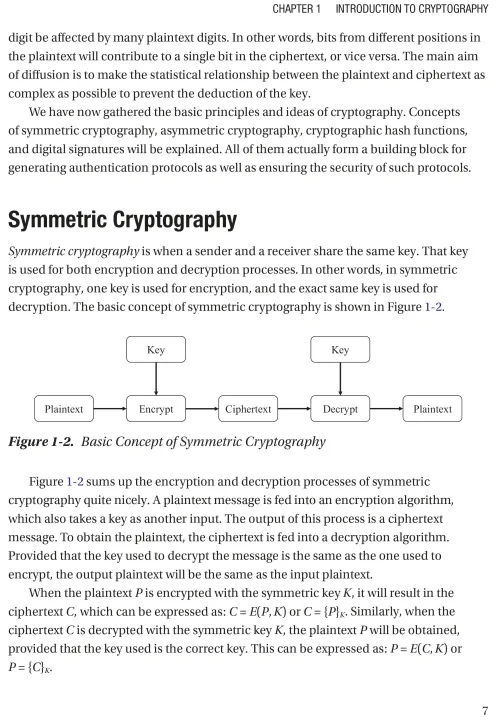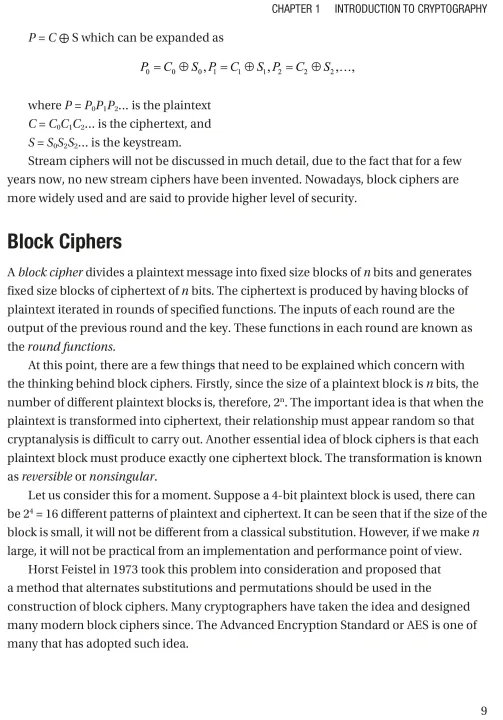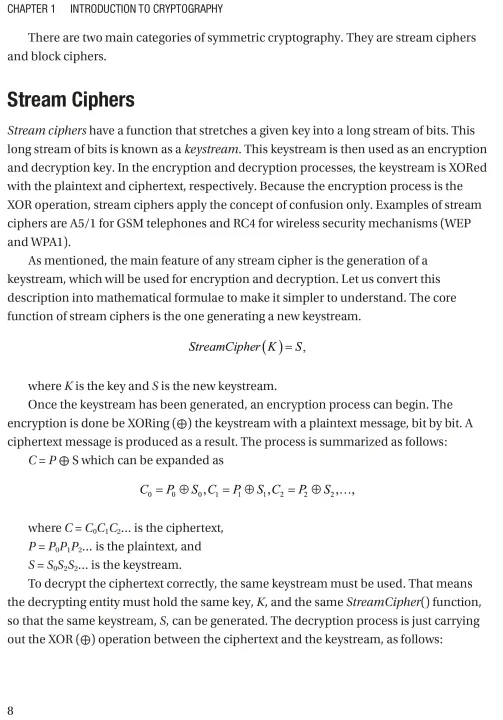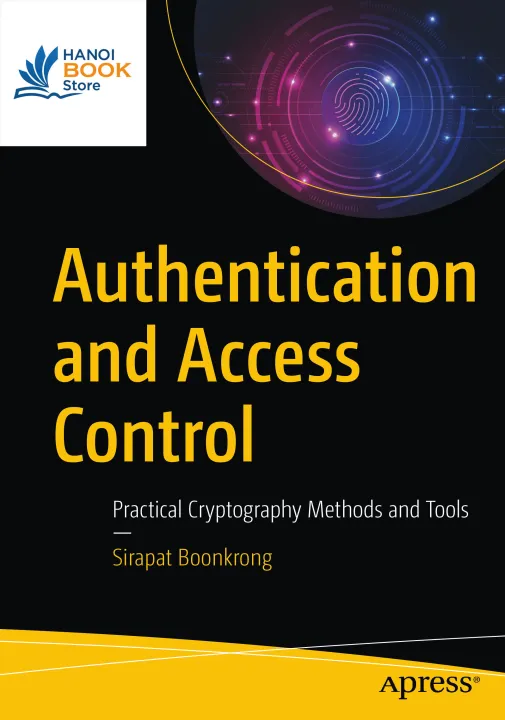
Sách Authentication And Access Control Practical Cryptography Methods And Tools (sách keo gáy, bìa mềm)
Categories:Computers - Networking
Year:2021
Edition:1st Edition
Language:english
Pages:242
Cybersecurity is a critical concern for individuals and for
organizations of all types and sizes. Authentication and access control
are the first line of defense to help protect you from being attacked.
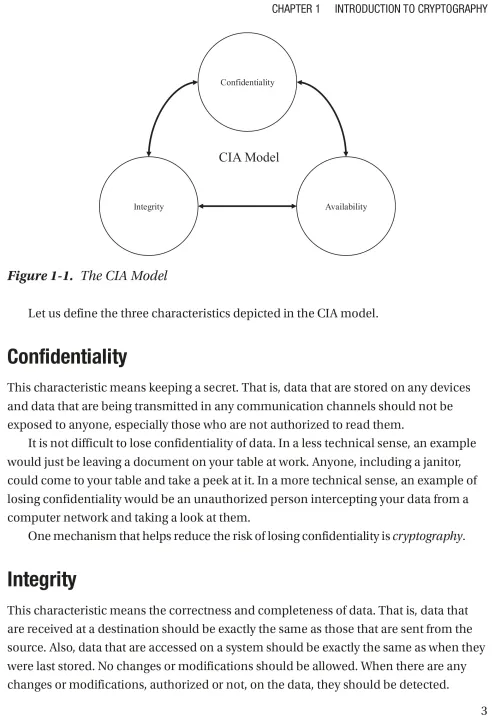
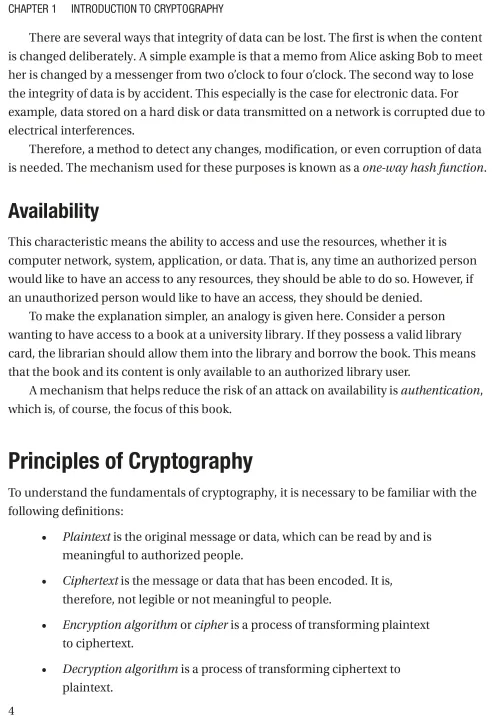
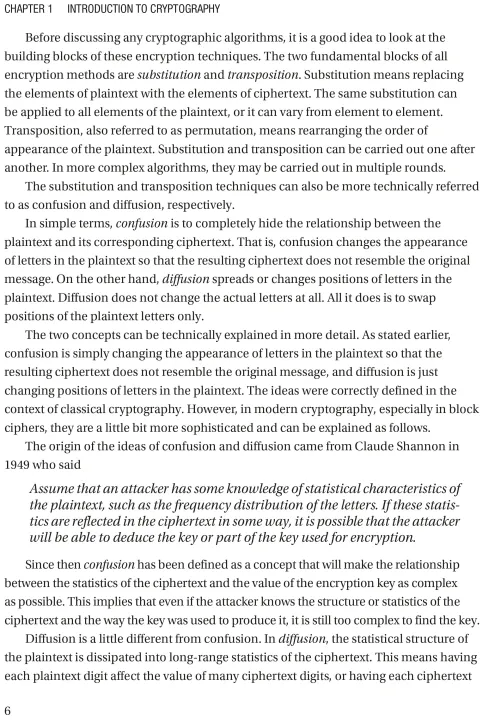
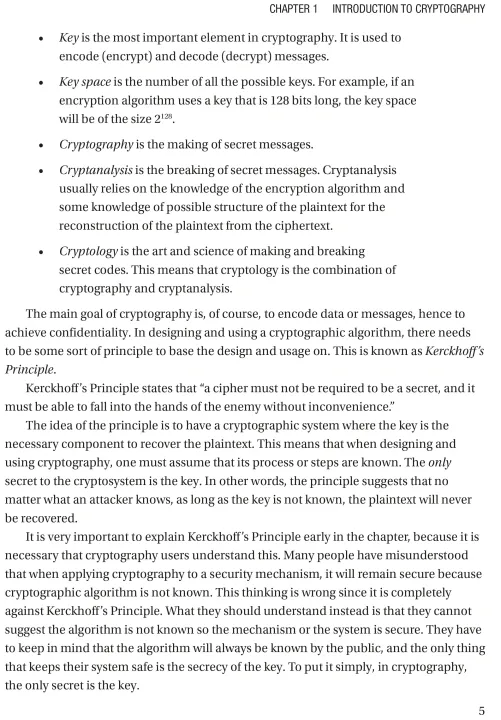
This book begins with the theoretical background of cryptography and the
foundations of authentication technologies and attack mechanisms. You
will learn about the mechanisms that are available to protect computer
networks, systems, applications, and general digital technologies.
Different methods of authentication are covered, including the most
commonly used schemes in password protection: two-factor authentication
and multi-factor authentication. You will learn how to securely store
passwords to reduce the risk of compromise. Biometric authentication—a
mechanism that has gained popularity over recent years—is covered,
including its strengths and weaknesses. Authentication and Access
Control explains the types of errors that lead to vulnerabilities in
authentication mechanisms. To avoid these mistakes, the book explains
the essential principles for designing and implementing authentication
schemes you can use in real-world situations. Current and future trends
in authentication technologies are reviewed. What You Will Learn:
• Understand the basic principles of cryptography before digging into the details of authentication mechanisms
•
Be familiar with the theories behind password generation and the
different types of passwords, including graphical and grid-based
passwords
• Be aware of the problems associated with the use of
biometrics, especially with establishing a suitable level of biometric
matching or the biometric threshold value
• Study examples of multi-factor authentication protocols and be clear on the principles
• Know how to establish authentication and how key establishment processes work together despite their differences
• Be well versed on the current standards for interoperability and compatibility
• Consider future authentication technologies to solve today's problems
Who
This Book Is For: Cybersecurity practitioners and professionals,
researchers, and lecturers, as well as undergraduate and postgraduate
students looking for supplementary information to expand their knowledge
on authentication mechanisms