Sách keo gáy, bìa mềm
Towards 2020, a rapid changing landscape will emerge
in Asia where the opportunities for Asian companies to benefit from
international branding efforts will be larger than ever before. The
growing emphasis on shareholder value and brand strategy to drive value
will move up the boardroom agenda and become one of the most prominent
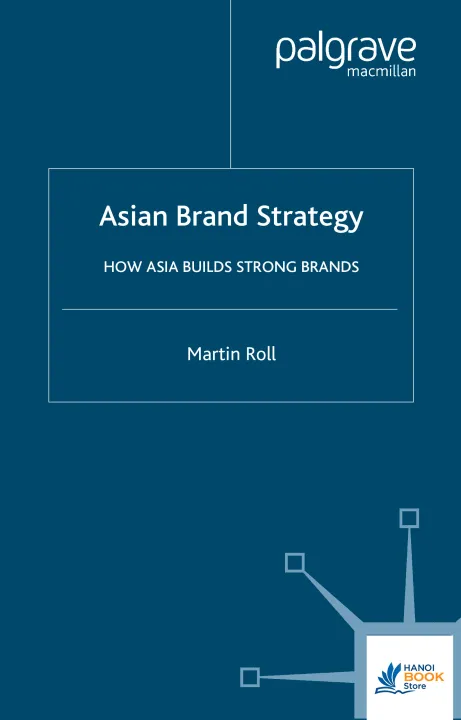
drivers of value in Asia Pacific.Asian Brand Strategy offers insights,
knowledge and perspectives on Asian brands and branding as a strategic
tool and provides a comprehensive framework for understanding Asian
branding strategies and Asian brands, including success stories and
challenges for future growth and strengths. The book includes
theoretical frameworks and models and up-to-date case studies on Asian
brands, and it a must-read for Asian and Western business leaders as
well as anyone interested in the most exciting region of the world.The
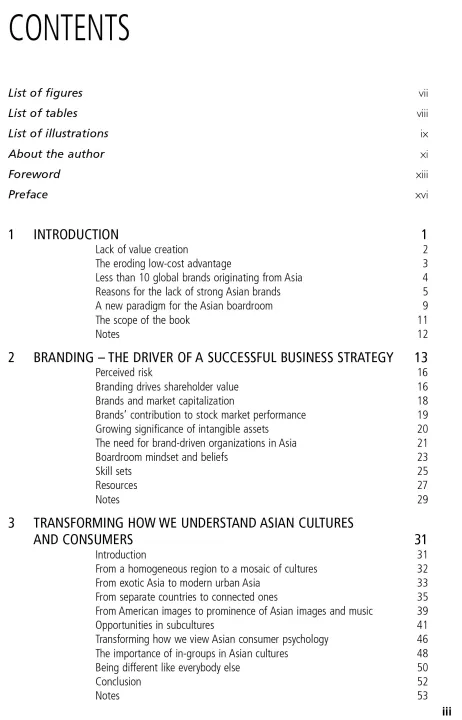
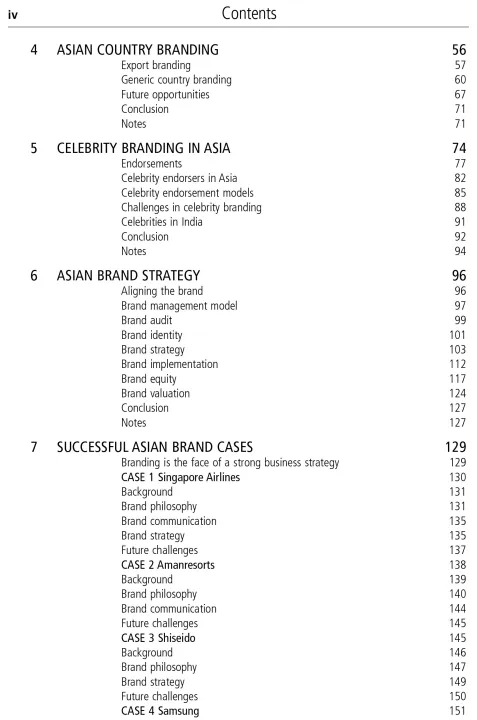
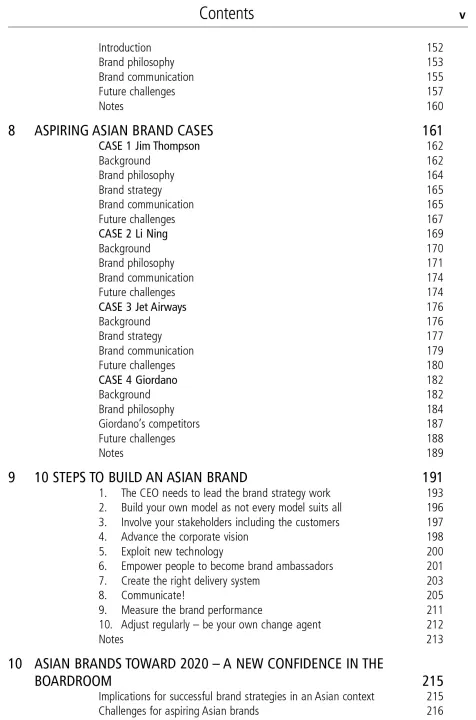
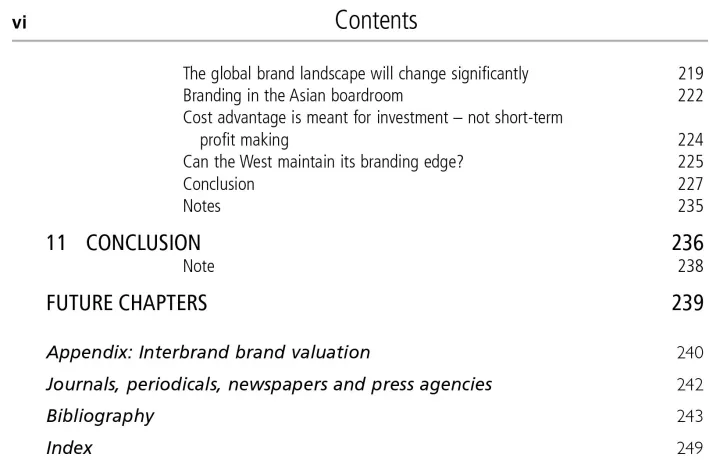
book presents the Asian Brand Leadership model illustrating the paradigm
shift Asian brands need to undertake to unleash their potential. First,
mindsets and practices need to change in the Asian boardroom. The book
invites a complete shift in the way Asian boardrooms think of branding:
from a tactical view to a long-term, strategic perspective, from
fragmented marketing activities to totally aligned branding activities,
from a vision of branding as the sole responsibility of marketing
managers to branding as the most essential function of the firm led by
the boardroom.Second, this new perspective must be steeped into a more
acute perspective on the consumer behaviour patterns. Asia is not a
homogenous entity. Even more importantly, Asian countries are more and
more traversed by cultural flows permeating the region: cinema, music
and fashion trends that are present extend beyond national borders to
capture the imagination of millions. Branding and brands do not operate
in vacuum, but are closely linked to developments in society, to people
and to cultures.Third, managers wanting to succeed in Asia need to
abandon the idea of an oriental Asia of the past. Asian consumers are
all vying for an Asian type of modernity that has nothing to do with
colonial imagery. Fourth, to create iconic brands, Asian managers will
have to become trendsetters. The perspective developed in this book is
that, in order to be successful, Asian brands need to capture the spirit
of the region, but they also need to lead the way by creating that
spirit.Finally, this shift can be achieved only if everybody in the
company is convinced by the power of branding and if all strategies and
actions are aligned around the brand. This must be led by the Asian
boardroom.
Categories:Business & Economics - Sales & Marketing
Year:2005
Publisher:Palgrave Macmillan
Language:english
Pages:224