




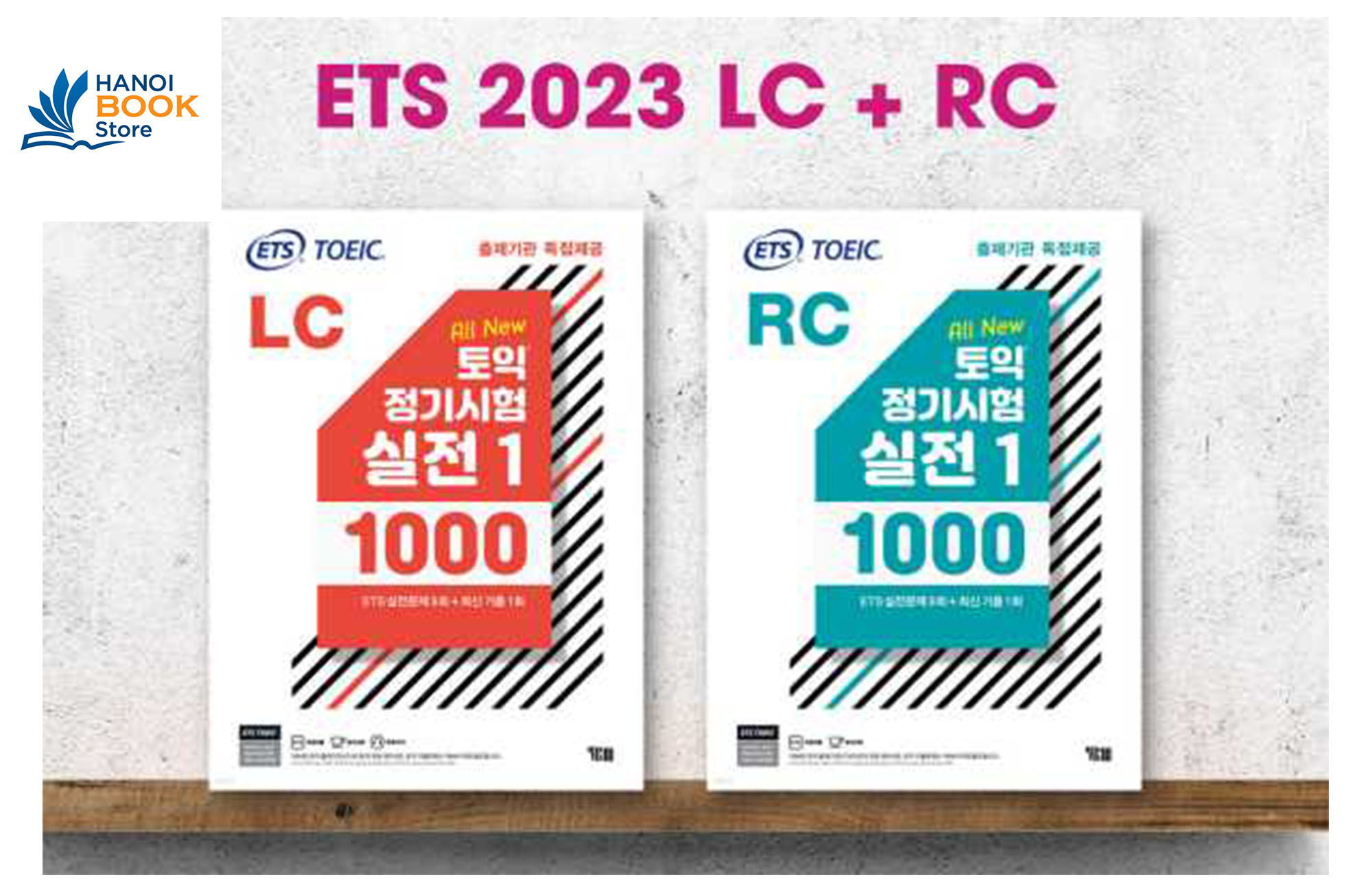
Bộ sách luyện thi ETS 2023 LC&RC
199,000₫
299,000₫

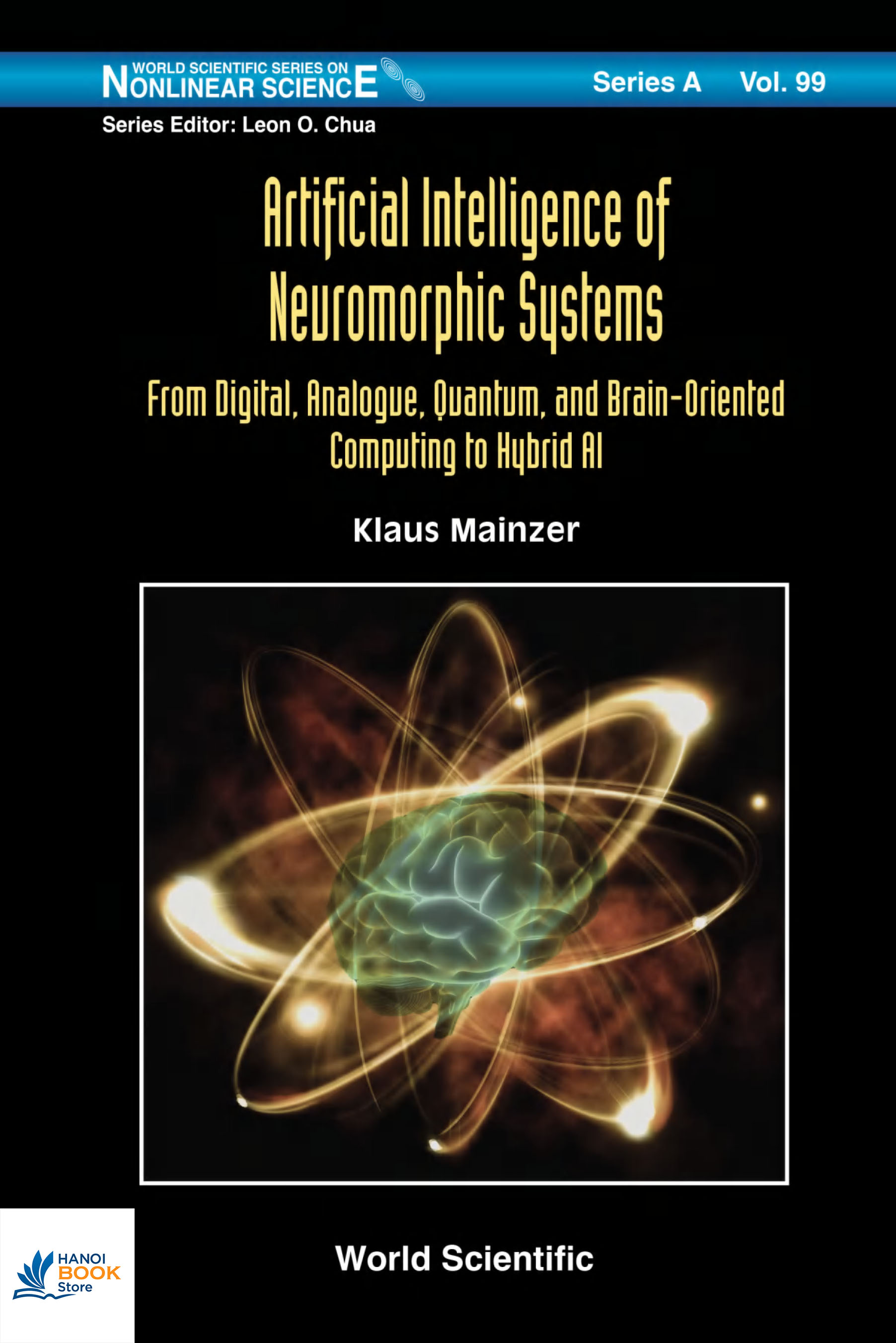
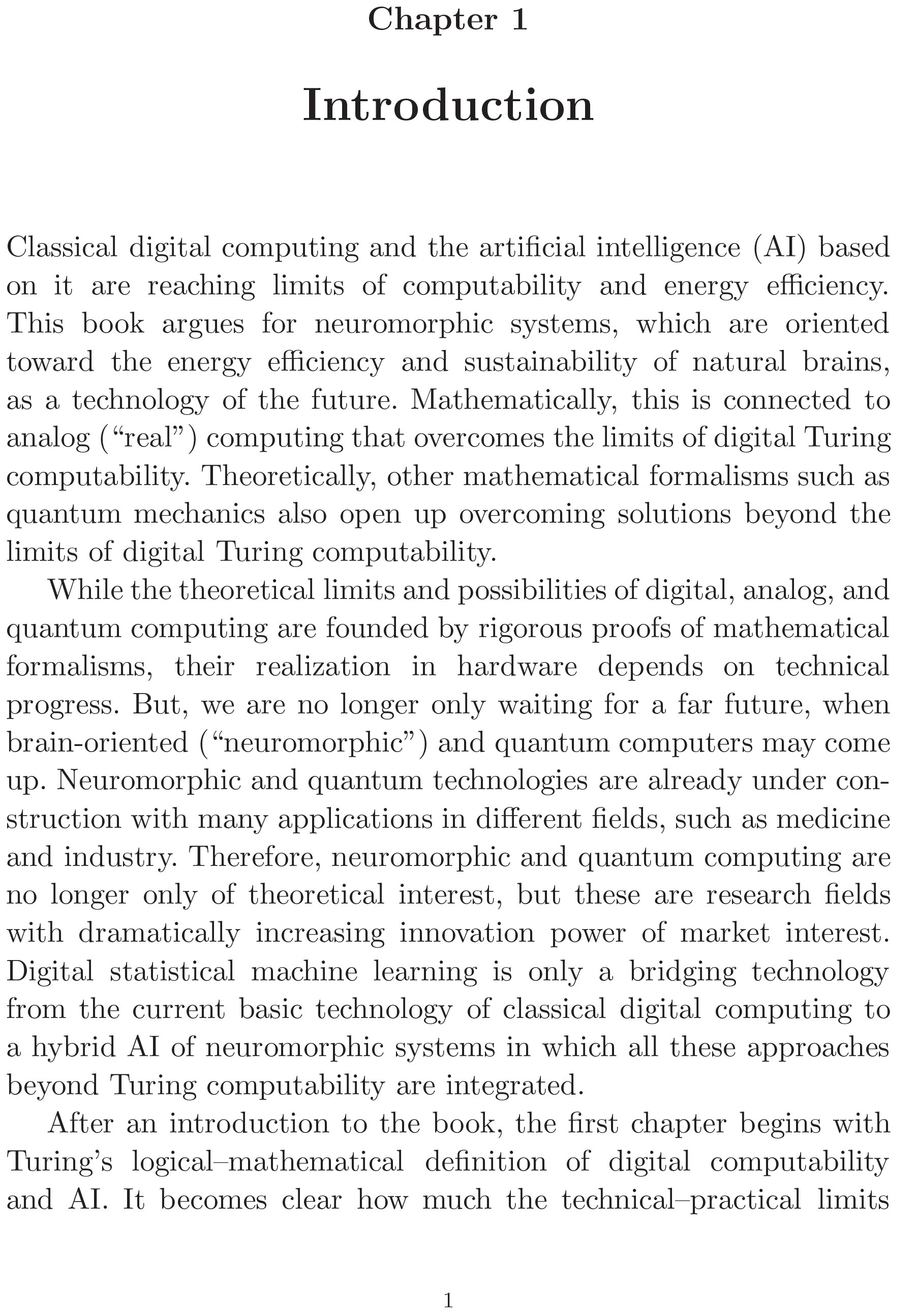
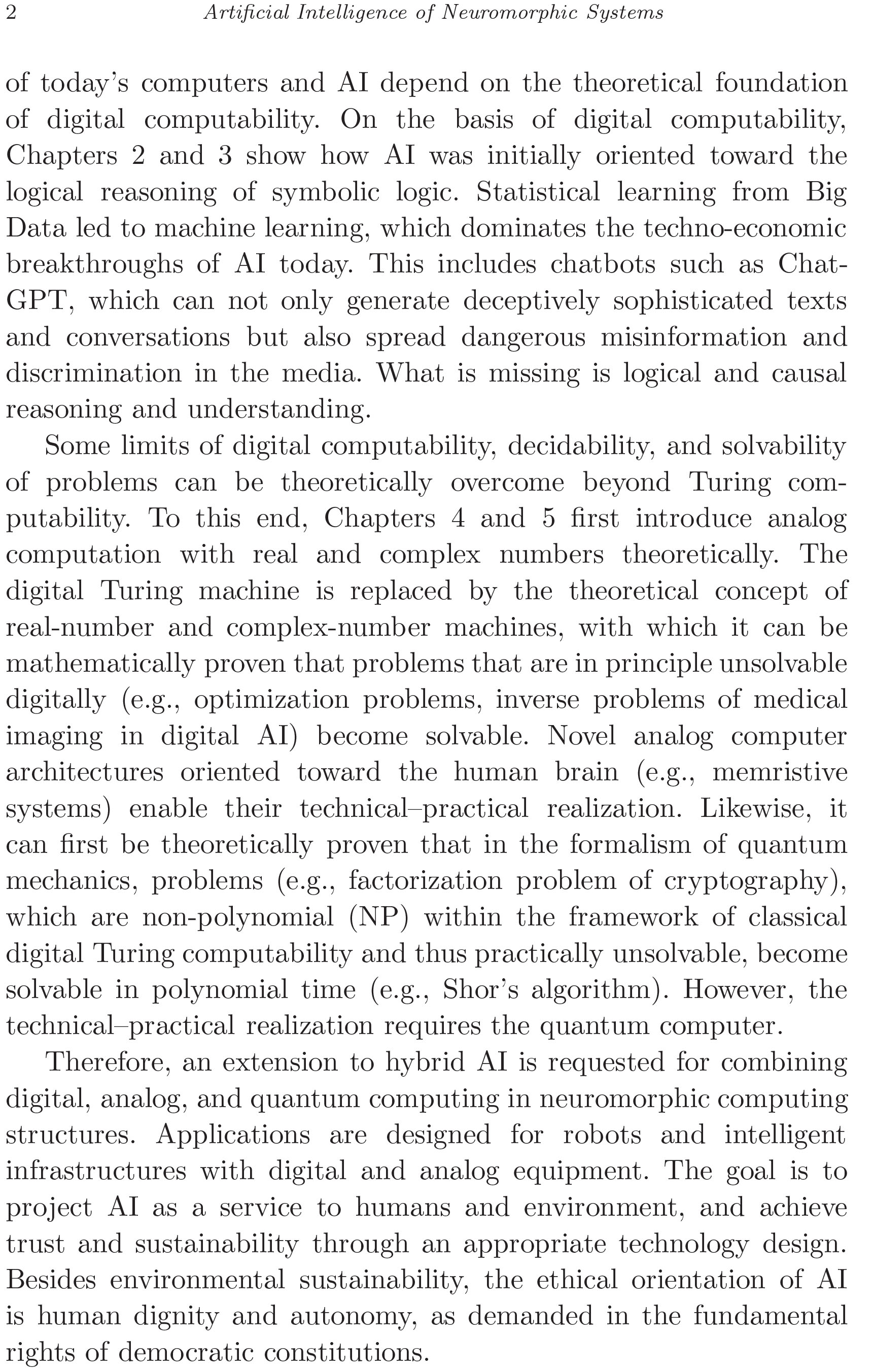
This book argues for neuromorphic systems as a technology of the future, which are oriented towards the energy efficiency of natural brains. Energy efficiency is a dramatic claim in times of environmental and climate challenges which should consider the sustainability goals of the United Nations (UN). Mathematically, neuromorphic computing is connected to analog (“real”) computing that overcomes the limits of digital Turing computability at least theoretically.
Therefore, the book also considers material sciences and engineering sciences which start to realize neuromorphic computing in hardware. Other mathematical formalisms such as quantum mechanics also open up new solutions (e.g., quantum computing) beyond the limits of digital Turing computability. These research fields are no longer
only of theoretical interest, but they promise increasing innovation power of market interest. Nevertheless, neuromorphic computing is connected with deep logical, mathematical, and epistemic questions.
Does it open new avenues to Artificial General Intelligence (AGI)? All these tendencies of research and innovation demonstrate that we need more integrated research in the foundations of logic, mathematics, physics, engineering sciences, cognitive science, and philosophy. This book is a plea for this kind of research.