Sách gia công, Bìa mềm
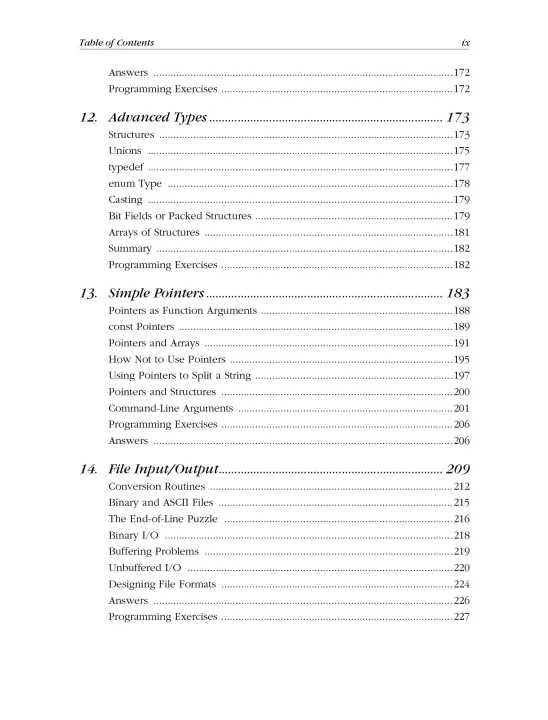
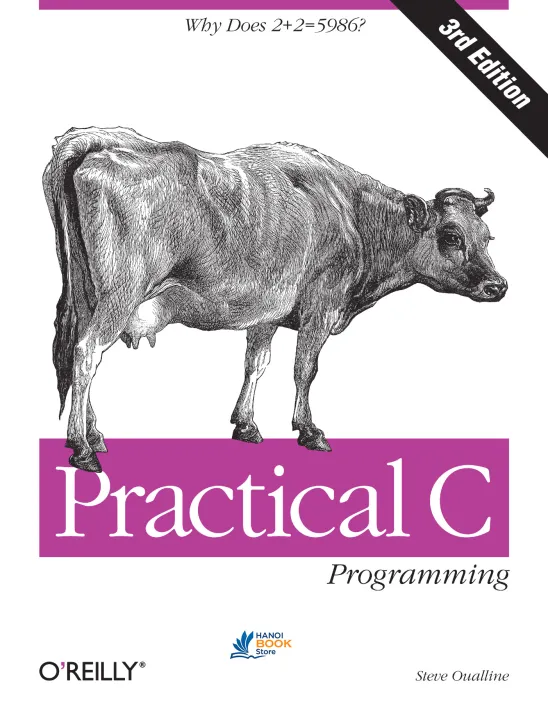
There are lots of introductory C books, but this is
the first one that has the no-nonsense, practical approach that has made
Nutshell Handbooks® famous.
C programming is more than just getting
the syntax right. Style and debugging also play a tremendous part in
creating programs that run well and are easy to maintain. This book
teaches you not only the mechanics of programming, but also describes
how to create programs that are easy to read, debug, and update.
Practical
rules are stressed. For example, there are fifteen precedence rules in C
(&& comes before || comes before ?:). The practical programmer
reduces these to two: multiplication and division come before addition
and subtraction.
Contrary to popular belief, most programmers do not
spend most of their time creating code. Most of their time is spent
modifying someone else's code. This books shows you how to avoid the
all-too-common obfuscated uses of C (and also to recognize these uses
when you encounter them in existing programs) and thereby to leave code
that the programmer responsible for maintenance does not have to
struggle with. Electronic Archaeology, the art of going through someone
else's code, is described.
This third edition introduces popular
integrated development environments on Windows systems, as well as UNIX
programming utilities, and features a large statistics-generating
program to pull together the concepts and features in the language.
Thể loại:Computers - Programming
Năm:1997
In lần thứ:3
Nhà xuát bản:O'Reilly Media
Ngôn ngữ:english
Trang:456