Sách keo gáy, Bìa mềm
Thể loại:Computers - Computer Science
Năm:2019
In lần thứ:1
Ngôn ngữ:english
Trang:223 / 237
Build machine learning models, natural language processing applications,
and recommender systems with PySpark to solve various business
challenges. This book starts with the fundamentals of Spark and its
evolution and then covers the entire spectrum of traditional machine
learning algorithms along with natural language processing and
recommender systems using PySpark.
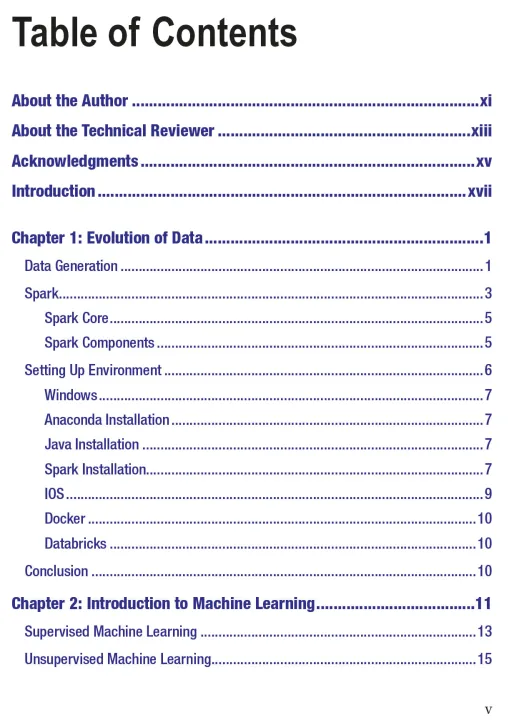
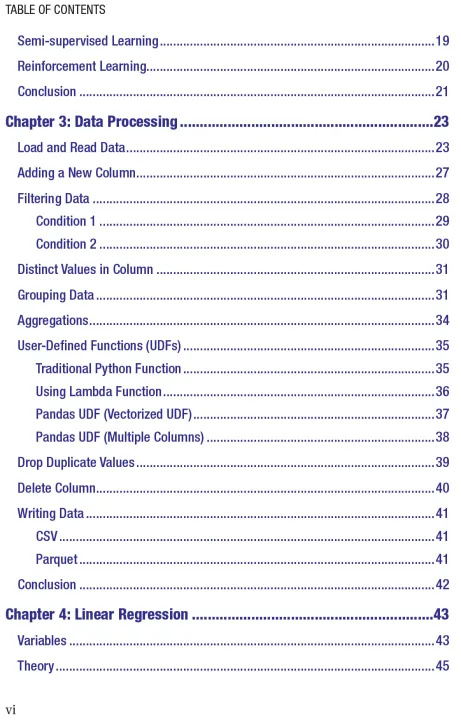
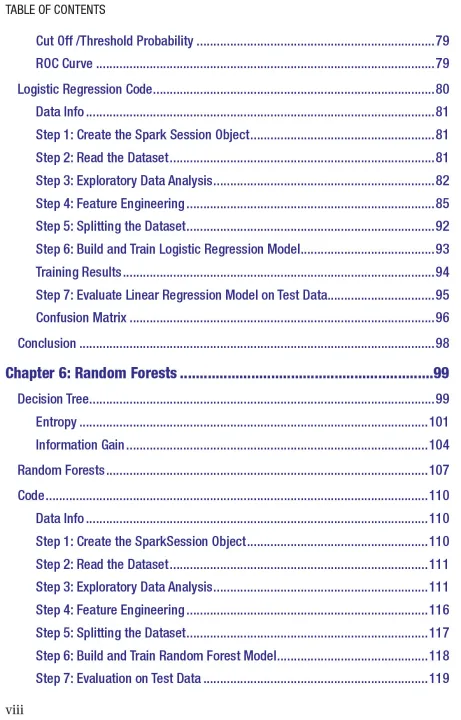
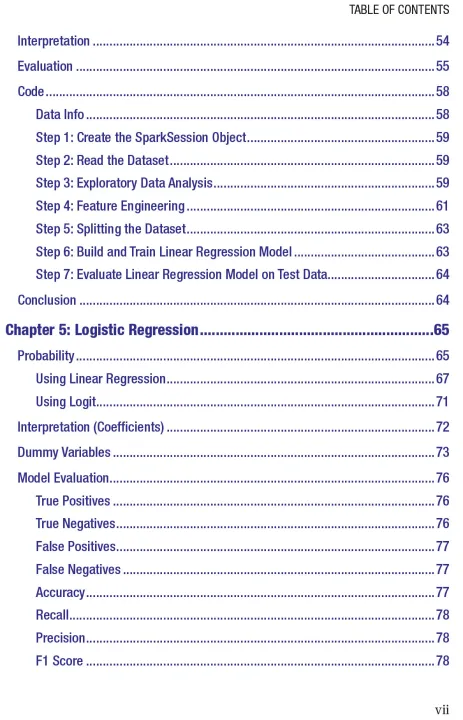
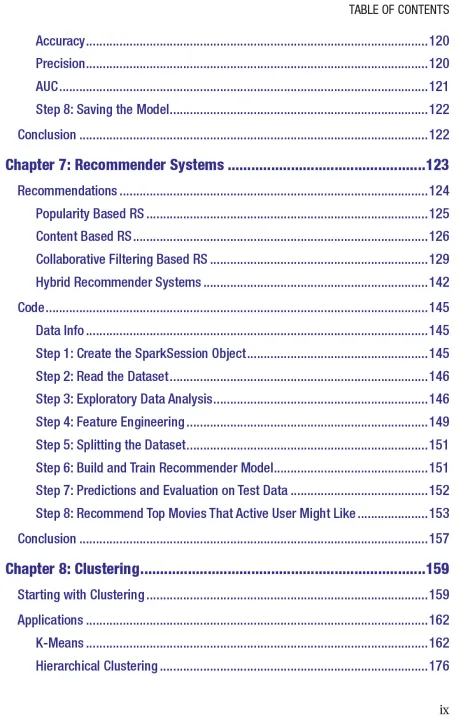
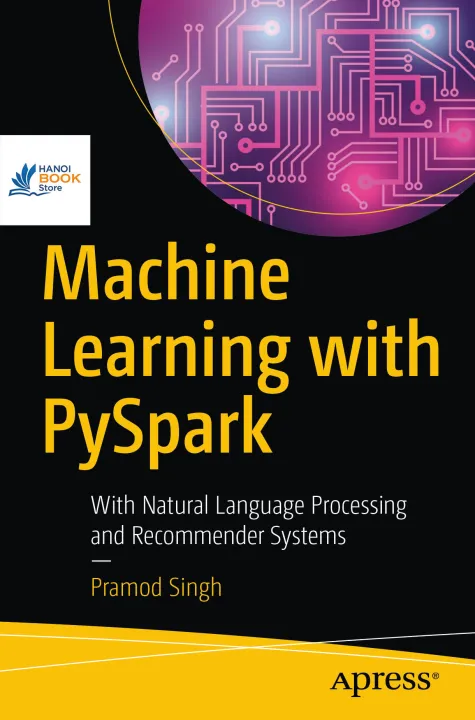
Machine Learning with PySpark
shows you how to build supervised machine learning models such as linear
regression, logistic regression, decision trees, and random forest.
You’ll also see unsupervised machine learning models such as K-means and
hierarchical clustering. A major portion of the book focuses on feature
engineering to create useful features with PySpark to train the machine
learning models. The natural language processing section covers text
processing, text mining, and embedding for classification.
After
reading this book, you will understand how to use PySpark’s machine
learning library to build and train various machine learning models.
Additionally you’ll become comfortable with related PySpark components,
such as data ingestion, data processing, and data analysis, that you can
use to develop data-driven intelligent applications.
What You Will Learn
• Build a spectrum of supervised and unsupervised machine learning algorithms
• Implement machine learning algorithms with Spark MLlib libraries
• Develop a recommender system with Spark MLlib libraries
•
Handle issues related to feature engineering, class balance, bias and
variance, and cross validation for building an optimal fit model
Who This Book Is For
Data science and machine learning professionals.