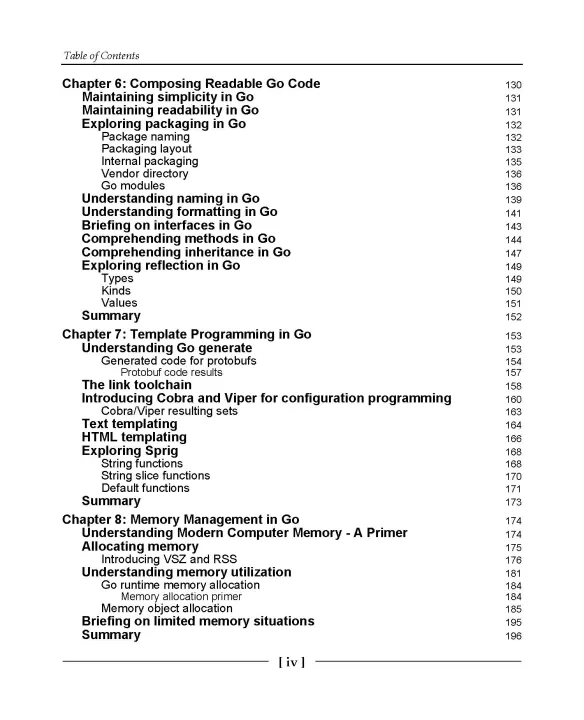
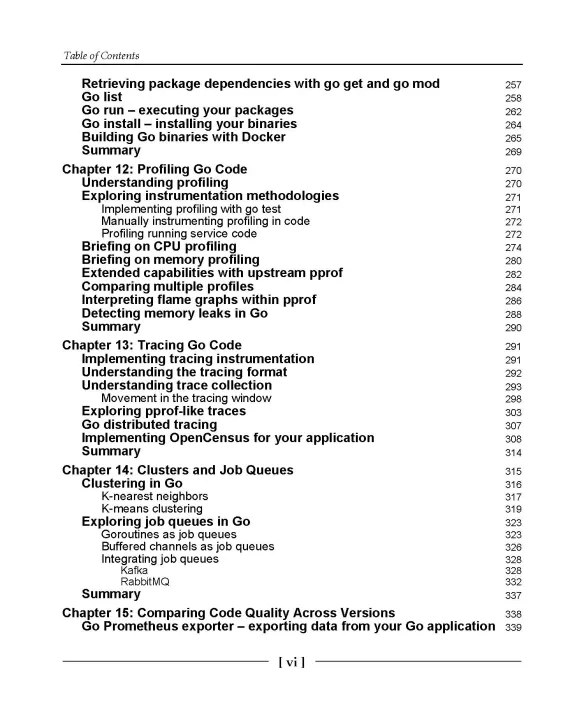
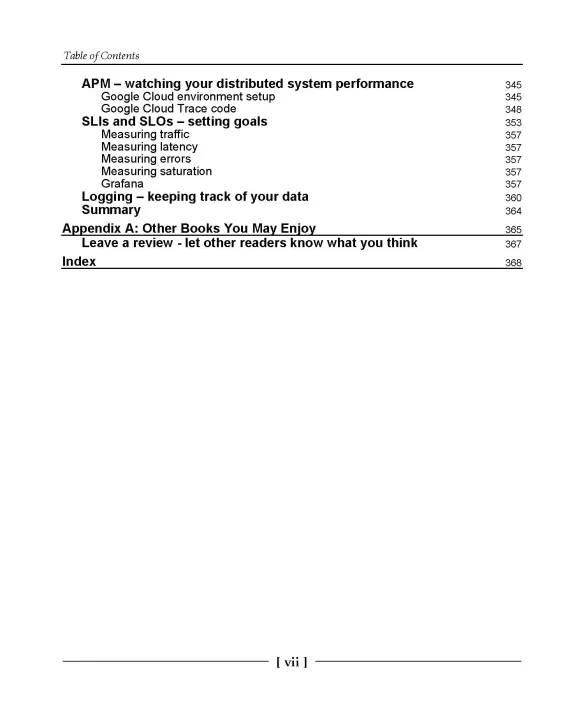
Hands-On High Performance with Go (sách gia công, Bìa mềm)

Thể loại:Computers - Programming
Năm:2020
In lần thứ:1
Ngôn ngữ:English
Trang:387
Proven methodologies and concurrency techniques that will help you write faster and better code with Go programming
Key Features
• Explore Go’s profiling tools to write faster programs by identifying and fixing bottlenecks
• Address Go-specific performance issues such as memory allocation and garbage collection
• Delve into the subtleties of concurrency and discover how to successfully implement it in everyday applications
Go is an easy-to-write language that is popular among developers thanks to its features such as concurrency, portability, and ability to reduce complexity. This Golang book will teach you how to construct idiomatic Go code that is reusable and highly performant.
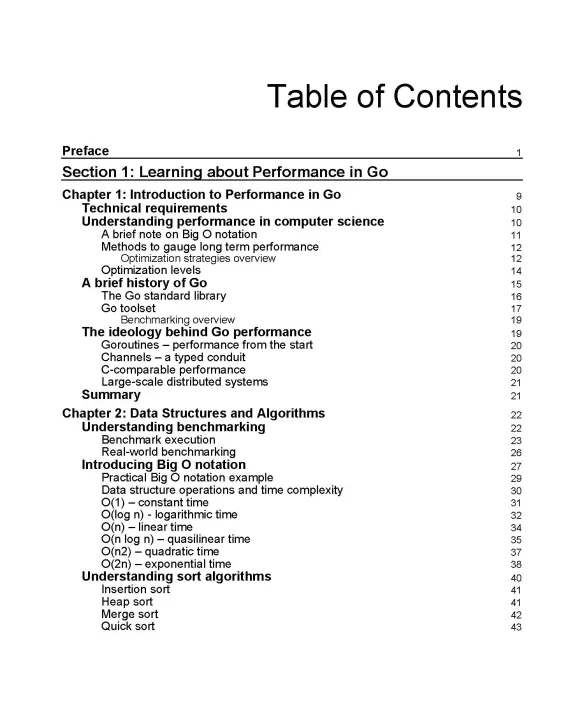
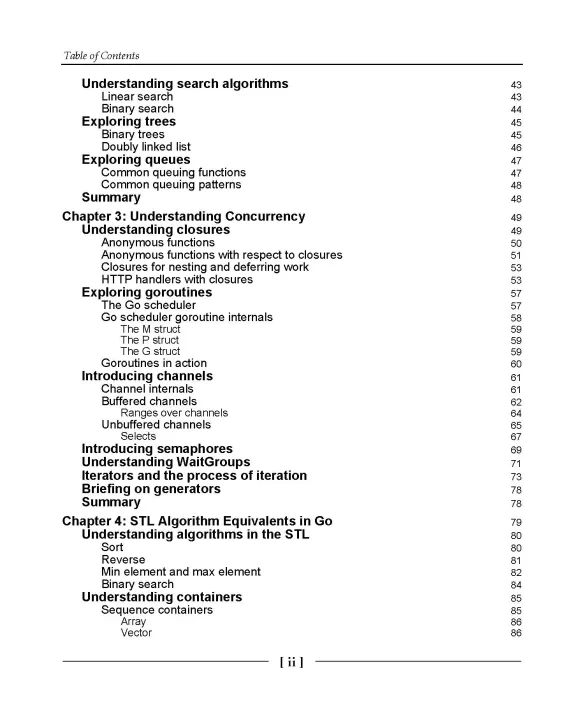
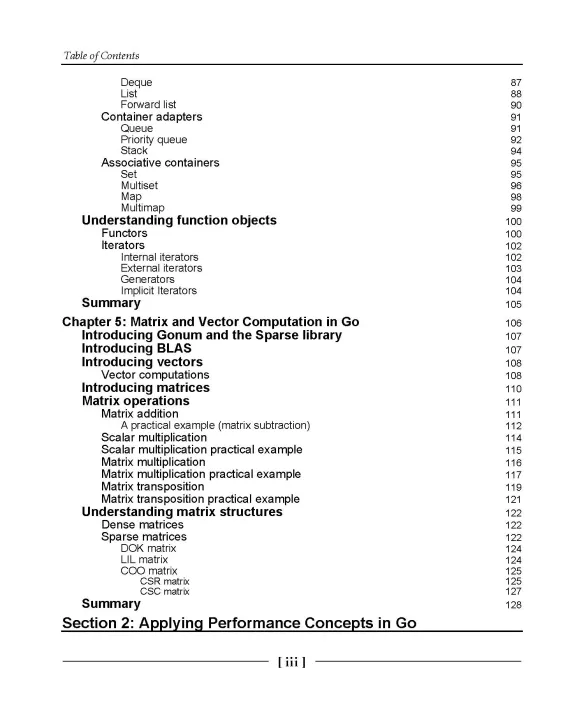
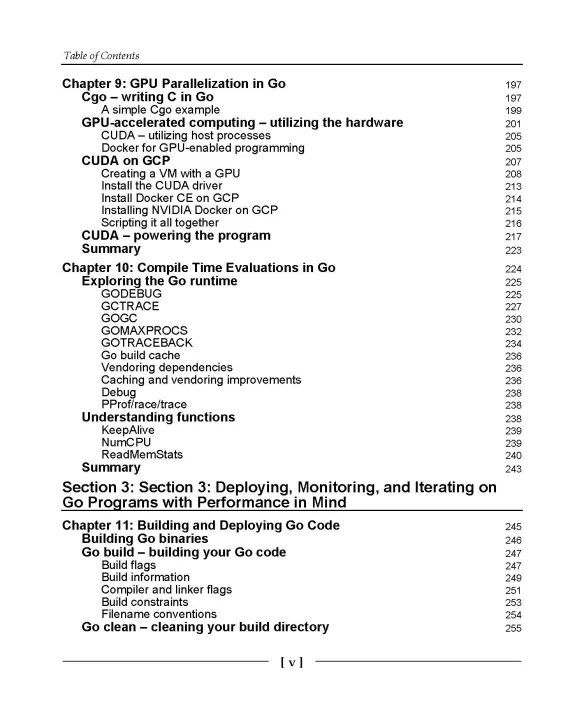
Starting with an introduction to performance concepts, you’ll understand the ideology behind Go’s performance. You’ll then learn how to effectively implement Go data structures and algorithms along with exploring data manipulation and organization to write programs for scalable software. This book covers channels and goroutines for parallelism and concurrency to write high-performance code for distributed systems. As you advance, you’ll learn how to manage memory effectively. You’ll explore the compute unified device architecture (CUDA) application programming interface (API), use containers to build Go code, and work with the Go build cache for quicker compilation. You’ll also get to grips with profiling and tracing Go code for detecting bottlenecks in your system. Finally, you’ll evaluate clusters and job queues for performance optimization and monitor the application for performance regression.