



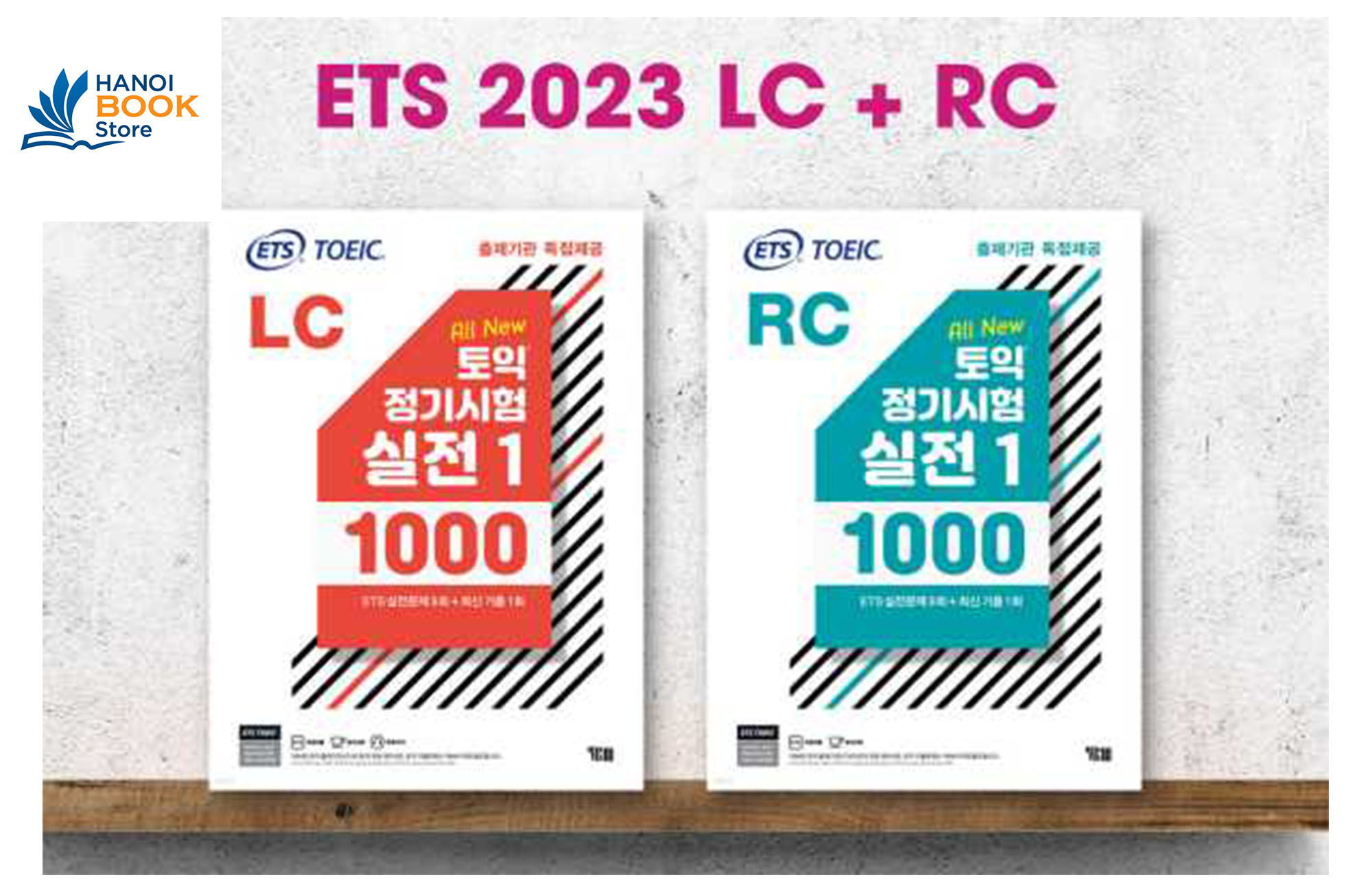
Bộ sách luyện thi ETS 2023 LC&RC
199,000₫
299,000₫

Sách keo gáy, Bìa mềm
Thể loại:Computers - Organization and Data Processing
Năm:2015
In lần thứ:Paperback
Ngôn ngữ:english
Trang:684 / 754
Sách keo gáy, Bìa mềm
Thể loại:Computers - Organization and Data Processing
Năm:2015
In lần thứ:Paperback
Ngôn ngữ:english
Trang:684 / 754
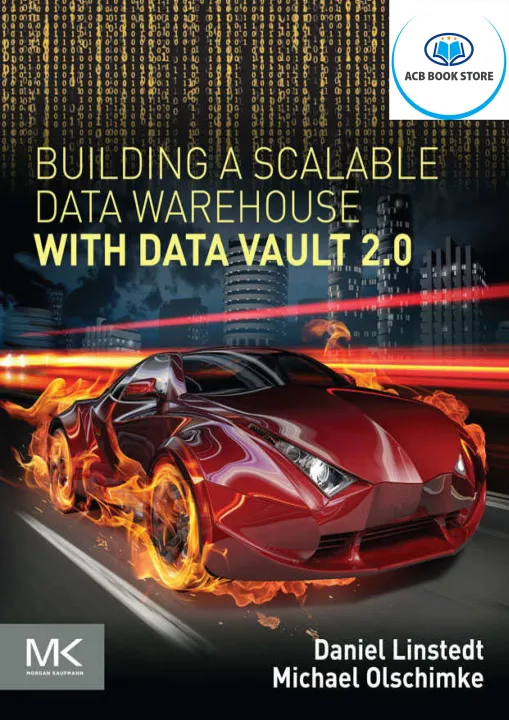
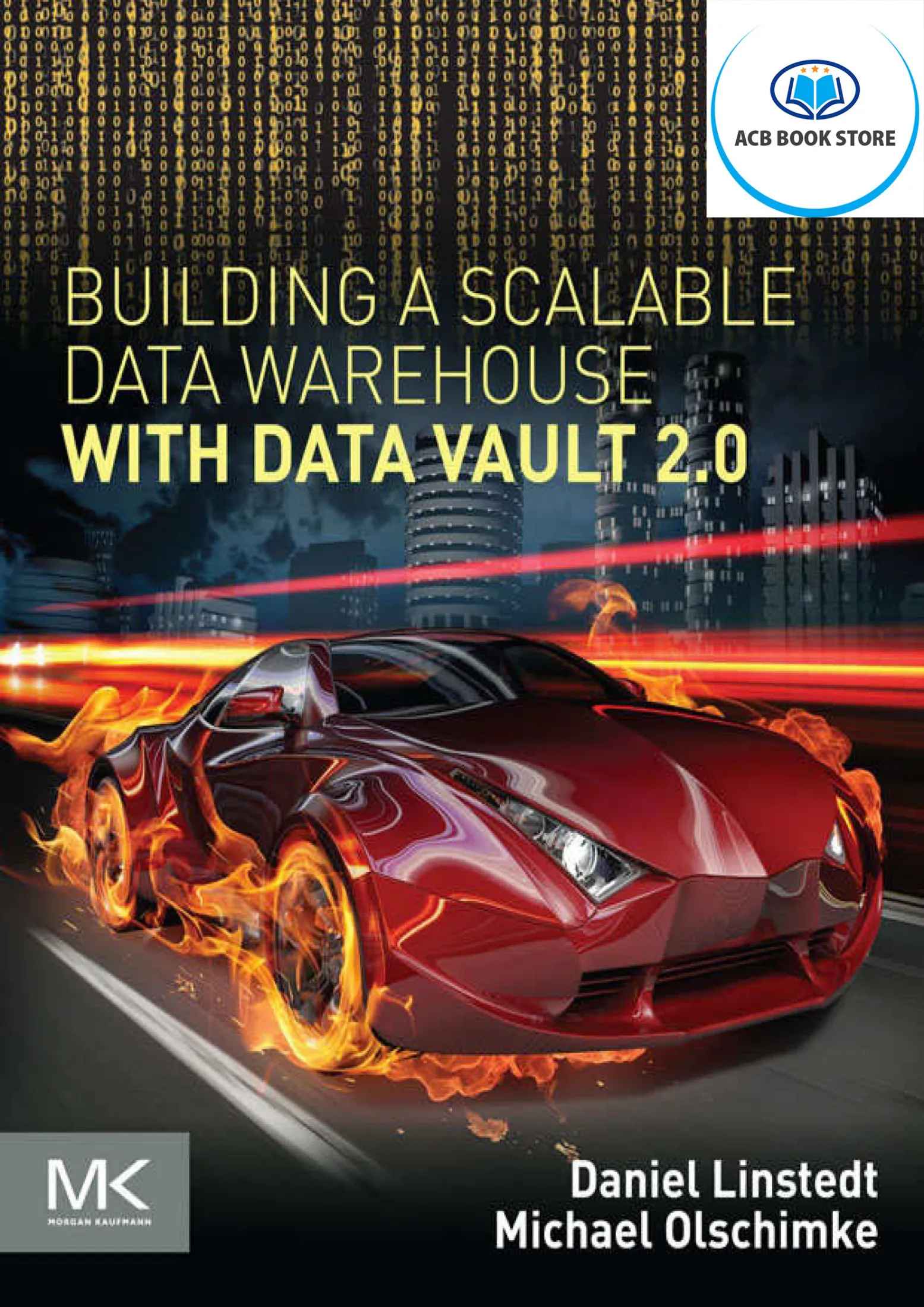
TheData Vault was invented by Dan Linstedt at the U.S. Department of Defense, and the standard has been successfully applied to data warehousing projects at organizations of different sizes, from small to large-size corporations. Due to its simplified design, which is adapted from nature, the Data Vault 2.0 standard helps prevent typical data warehousing failures.
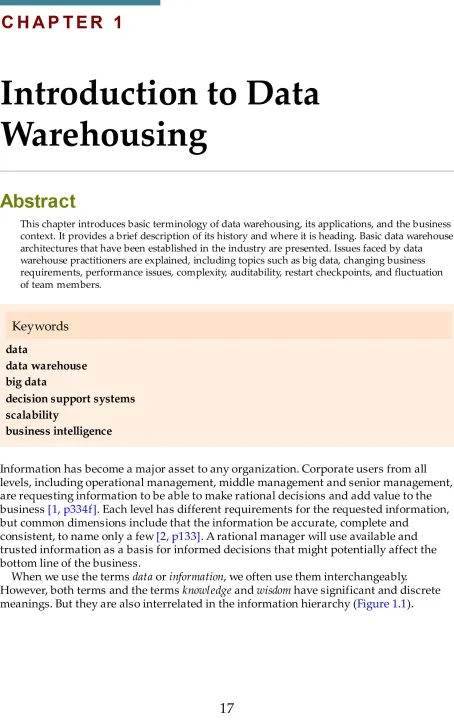
"Building a Scalable Data Warehouse" covers everything one needs to know to create a scalable data warehouse end to end, including a presentation of the Data Vault modeling technique, which provides the foundations to create a technical data warehouse layer. The book discusses how to build the data warehouse incrementally using the agile Data Vault 2.0 methodology. In addition, readers will learn how to create the input layer (the stage layer) and the presentation layer (data mart) of the Data Vault 2.0 architecture including implementation best practices. Drawing upon years of practical experience and using numerous examples and an easy to understand framework, Dan Linstedt and Michael Olschimke discuss:
How to load each layer using SQL Server Integration Services (SSIS), including automation of the Data Vault loading processes.
Important data warehouse technologies and practices.
Data Quality Services (DQS) and Master Data Services (MDS) in the context of the Data Vault architecture.
Provides a complete introduction to data warehousing, applications, and the business context so readers can get-up and running fast
Explains theoretical concepts and provides hands-on instruction on how to build and implement a data warehouse
Demystifies data vault modeling with beginning, intermediate, and advanced techniques
Discusses the advantages of the data vault approach over other techniques, also including the latest updates to Data Vault 2.0 and multiple improvements to Data Vault 1.0